Build a Software Subscription Inventory Before the Next Renewal
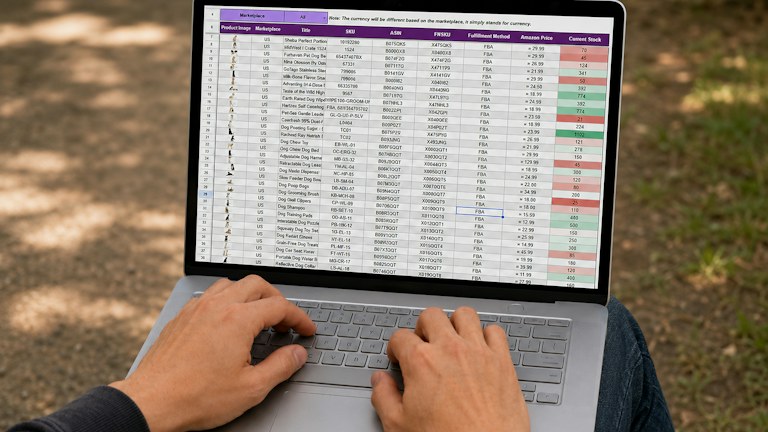
A software subscription inventory should answer more than “What are we paying for?” It should show who needs each service, which work depends on it, when a decision is due, and what must happen before it can be changed or canceled. Without that context, a cost-saving exercise can accidentally remove a useful tool while leaving several forgotten renewals untouched.
Start with the services you or your team are authorized to manage. Use billing records, purchase approvals, and account-owner information rather than collecting passwords. The inventory is an administrative map, not a place to store credentials or full payment-card details. Keep access appropriate to the financial and operational information it contains.
Build one record per subscription
Record the product, plan, billing owner, business purpose, renewal date, billing frequency, currency, and approximate committed cost. Include the source of the information and when it was checked. A figure copied from an old invoice may no longer describe the current contract, particularly if seats or usage charges have changed.
Distinguish the person who uses the product from the person who can manage billing. A designer may rely on a tool while finance receives the invoices and an administrator controls cancellation. If those roles are unclear, identify them before a renewal deadline arrives.
Use a stable internal identifier when product names are similar or one vendor supplies several services. A single payment description may cover multiple products, and two separate teams may hold different subscriptions with the same vendor. Avoid merging records merely because the names look alike.
Normalize costs without hiding commitments
For comparison, calculate an equivalent monthly or annual cost, but retain the actual payment schedule. A service paid annually is not necessarily cancelable month by month. The normalized figure helps compare spending; the contract or current terms determine the real commitment.
Separate fixed charges from variable usage. A platform may combine a base subscription with storage, messages, processing, or additional seats. Record the most recent usage period and note whether it was typical. An unusually busy month can distort a forecast, while an unusually quiet month can conceal future exposure.
Keep currencies explicit. If you convert amounts for an internal summary, record the conversion date and method rather than presenting the result as the exact charge that will appear later. Taxes, exchange rates, and billing adjustments may change the final amount. The inventory should make those uncertainties visible.
Connect each tool to a real workflow
Ask the owner what would stop if the service disappeared tomorrow. A useful answer names a process, team, or deliverable: customer support inbox, monthly reporting, design handoff, or appointment scheduling. “We might need it” is a prompt for further investigation, not an adequate description of ongoing value.
Record active users and the nature of their use where you have legitimate access to that information. Low login frequency does not automatically mean low value. A backup service, an occasional export tool, or a seasonal workflow can be important despite infrequent interactive use.
Also look for duplication. Two products may overlap without being interchangeable. One may serve a client requirement or hold historical records that the other cannot import. Identify the specific overlapping function and test a replacement before deciding that one subscription is redundant.
Put decisions ahead of deadlines
Record both the renewal date and any earlier notice or cancellation deadline from the applicable agreement. Set an internal review date with enough time to consult users, compare options, and move data if needed. A reminder on the day of renewal is often too late for a thoughtful decision.
Assign a next action to each subscription: retain, investigate, reduce seats, renegotiate, migrate, or cancel after preparation. Give that action an owner and a due date. Avoid leaving every row in a vague “review” state that does not lead to a decision.
For an uncertain service, define what evidence would settle the question. Perhaps the team needs to confirm whether a recurring report still depends on an integration. A short investigation with a named outcome is more efficient than repeatedly debating the subscription at each budget meeting.
Check dependencies before reducing access
A subscription can support automations, shared links, published forms, or archived files that are easy to overlook. Ask whether any other system uses its account or API. Identify who receives failure alerts and whether an integration would continue to run after a plan change.
Before reducing seats, check ownership of shared work and the provider's supported offboarding process. Removing a person may affect files, scheduled jobs, or permissions associated with that account. Transfer responsibilities through the approved controls rather than sharing the departing user's password.
Before cancellation, test an export and confirm that someone can read it outside the service. Record what the export does not include, such as comments, attachments, history, or proprietary features. A downloaded archive is not useful evidence of preservation until its contents have been inspected.
Keep the decision record short and useful
For each completed review, write the decision, reason, approver, and next review date. Include any conditions, such as retaining a tool until a migration is verified. That prevents a future colleague from repeating the same investigation without knowing why the current arrangement exists.
If a subscription is canceled, retain the confirmation and record when access ends. Check the next billing period for unexpected charges through the normal finance process. Do not assume deleting an application from a computer cancels its subscription; the service's billing controls or contract process determine that.
Avoid turning the inventory into an exhaustive surveillance system. You usually need enough information to understand cost, ownership, and dependency, not a detailed record of every user's activity. Collect the minimum operational evidence required for the decision.
Maintain it at natural change points
Update the inventory when a tool is purchased, a billing owner changes, a team member leaves, or a plan is altered. Those events are easier to capture than reconstructing a year's history from invoices. A periodic review can then focus on exceptions and upcoming decisions.
Start with the ten most expensive or least understood subscriptions if the full list feels overwhelming. Once those records are dependable, expand the same process to the rest. A useful inventory becomes a shared source of answers: what the service does, who owns it, what it costs, and how to change it without losing work.
Illustrative stock photo: Gorilla ROI Data Connector / Unsplash. Unsplash License.